World Rabies Day: Why Every Dog and Cat Needs a Rabies Vaccine
Rabies is rare, but it is not something we can afford to ignore.
Every year on September 28, World Rabies Day reminds us that rabies remains one of the world’s most serious and preventable infectious diseases. For pet owners, one of the simplest and most important ways to help prevent rabies is to keep your dog’s or cat’s rabies vaccination current. And yes, that includes indoor cats.
Rabies vaccination protects your pet, your family, veterinary professionals, and the broader community. It can also make a major difference in what happens if your pet is ever exposed to rabies or involved in a bite incident.
What Is Rabies?
Rabies is a viral disease that attacks the nervous system of mammals, including pets, wildlife, and people. Once clinical signs develop, rabies is essentially fatal. The good news is that rabies is preventable, and vaccination is one of our most effective tools for protecting both pets and people.
In Illinois, rabies continues to circulate in wildlife. Bats are an important wildlife reservoir for rabies in the state, which means even pets with no obvious history of encountering wildlife can potentially be exposed.
How Can a Dog or Cat Be Exposed?
Rabies is most commonly transmitted when the saliva of an infected animal enters the body, usually through a bite. It can also be transmitted when saliva contacts an open wound or mucous membranes.
For pets, potential exposures include bites from rabid wildlife, fights with raccoons, skunks, foxes, bats, or other mammals, and bites from unfamiliar dogs or cats. Outside of being bitten by a bat, concern also exists if a bat is caught or mouthed by a pet.
One of the challenges with rabies is that you may not always know an exposure occurred. Small wounds can be difficult to find under fur, and a bat encounter may not leave an obvious bite mark. That is one reason keeping your pet vaccinated is so important.
‘But My Cat Is Strictly Indoors.’
We hear this frequently, and we understand why an indoor lifestyle feels like protection from rabies. An indoor cat certainly has a lower risk of exposure than a cat who regularly goes outside. However, lower risk does not mean zero risk, and indoor cats have some specific circumstances that make rabies vaccination important.
Bats Can Get Inside Your Home
For indoor cats, bats are one of the most important potential sources of rabies exposure. A bat can occasionally enter a home through a chimney, attic, roof opening, or another small access point. Cats are natural hunters, and their instinct may be to chase, catch, or play with a bat that gets inside.
You may never find a visible bite wound on your cat. If your cat catches or mouths a bat, that can potentially be a rabies exposure even if your cat appears completely normal afterward.
If a bat is found inside your home where your cat had access to it, contact your veterinarian and local animal control or public health authorities for guidance. Do not assume that your cat could not have been exposed simply because you do not see a bite.
Indoor Cats Can Escape
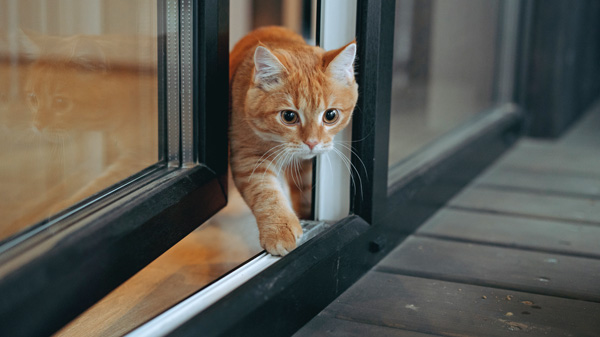
Even the most dedicated indoor cat can occasionally slip through an open door, escape during a move, get outside during home repairs, or become separated from the family. Once outside, a cat may encounter wildlife or another animal before you have an opportunity to intervene.
Indoor cats may also need to leave home for veterinary visits, boarding, grooming, travel, or emergency care. Having a current rabies vaccination helps ensure that your cat is protected if an unexpected situation occurs.
Most importantly, vaccination can significantly affect how public health officials manage your cat if a potential rabies exposure does occur. A vaccinated cat and an unvaccinated cat can face very different quarantine requirements following an exposure.
Rabies Is a Public Health Issue
Rabies is not just a disease we worry about in pets. It is a zoonotic disease, which means it can be transmitted from animals to people. Human rabies is rare in the United States, but once clinical disease develops, it is almost always fatal.
Illinois reported a fatal human rabies case in 2021, the state’s first human rabies death since 1954. The person had been bitten by a rabid bat and did not receive appropriate post-exposure treatment.
Vaccinated pets provide an important layer of protection between rabies circulating in wildlife and the people who live with them. When we vaccinate your pet, we are protecting more than one animal. We are also helping protect your household and our community.
What Happens If Your Pet Bites Someone?
A bite does not automatically mean that your pet has rabies. However, because rabies is so serious, public health authorities take animal bites very seriously. A dog or cat that bites a person may need to undergo a 10-day rabies observation period.
The purpose of this observation is not to punish your pet. It is to determine whether they could have been infectious with rabies at the time of the bite. If the pet remains healthy throughout the observation period, it was not shedding rabies virus in its saliva at the time of the bite.
Vaccination status can affect where and how that observation takes place. In Cook County, a dog or cat that was current on its rabies vaccination at the time of the bite may complete the 10-day observation at home, with veterinary examinations on the first and tenth days. A pet that was not current on its rabies vaccination must be impounded in a facility with a veterinarian on site daily, according to Cook County guidance.
This means that if your vaccinated pet unexpectedly bites someone, being current on rabies vaccination may allow your pet to remain safely at home during the observation period rather than spending 10 days in a supervised facility.
What Happens If Your Pet Is Exposed to Rabies?
This is different from a situation in which your pet bites a person. If your dog or cat is bitten by a rabid or potentially rabid animal, or has a significant exposure involving a bat, animal control and public health officials will determine what happens next.
Vaccination status is extremely important in this situation.
If Your Pet Is Currently Vaccinated
For a vaccinated dog or cat exposed to a rabid or potentially rabid animal, Illinois guidance calls for a rabies booster and 45 days of confinement or observation, provided the pet meets the applicable vaccination criteria. The location of confinement is determined by animal control.
In some situations, appropriately vaccinated pets may be allowed to complete this observation period at home with close monitoring. Your veterinarian and local authorities will provide specific instructions based on the circumstances of the exposure.
If Your Pet Is Unvaccinated or Overdue
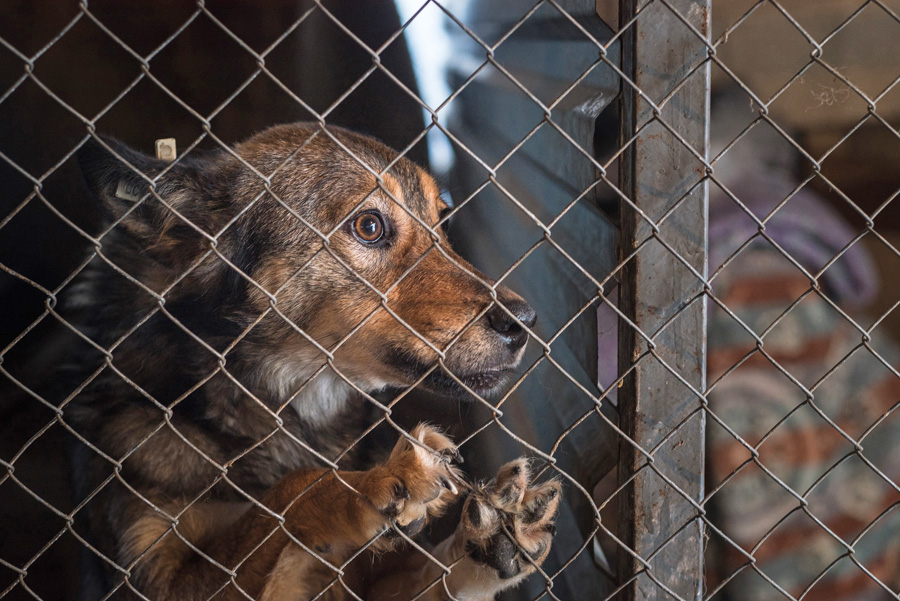
The situation becomes much more serious for an unvaccinated or overdue pet. For an unvaccinated or overdue dog or cat exposed to a rabid or potentially rabid animal, Illinois guidance states that immediate humane euthanasia is preferred. If the owner declines euthanasia, the pet must undergo a six-month quarantine, along with vaccination and additional confinement requirements during the quarantine period.
This is an incredibly difficult situation for any pet owner. It is also one of the strongest reasons we recommend keeping your pet’s rabies vaccination current. A routine vaccination can make the difference between a manageable 45-day monitoring period and a six-month quarantine, or in some circumstances, a recommendation for euthanasia.
Why Is Quarantine Necessary?
It is important to understand that quarantine does not mean your pet is being assumed to have rabies. It is necessary because rabies can have an incubation period during which an animal can be infected without showing signs of illness.
During quarantine, authorities monitor the pet for signs of rabies while preventing potential contact with other animals or people. The goal is to protect your pet, your family, and the community while giving public health officials time to appropriately manage the potential exposure.
The exact quarantine requirements depend on the type of exposure, your pet’s vaccination status, whether the animal involved in the exposure can be tested, and other circumstances. Animal control and public health authorities determine the appropriate protocol for each individual case.
Rabies Vaccination Requirements in Cook County
Rabies vaccination is not simply something we recommend as veterinarians. It is also required by law.
Under Cook County’s rabies requirements, owners of dogs and cats four months of age and older must have their pets vaccinated against rabies by a licensed veterinarian at intervals approved by the Illinois Department of Agriculture. Cook County also issues rabies tags with vaccinations. These tags provide proof of vaccination and identification and should be attached to the pet’s collar or harness when the pet is off the owner’s property.
What If My Pet Cannot Receive a Rabies Vaccine?
There are situations in which a veterinarian may determine that vaccination could pose a significant health risk to an individual pet. Cook County allows rabies vaccination exemptions on a case-by-case basis when vaccination may jeopardize a pet’s health.
A medical exemption does not mean a pet is considered vaccinated for every legal or public health purpose. Cook County guidance states that an exempt pet is still considered unvaccinated if it bites someone or is exposed to rabies.
If you believe your pet may need a rabies vaccination exemption, talk with your veterinarian about your pet’s individual risks, the potential benefits and risks of vaccination, and the documentation required.
The Easiest Rabies Prevention Plan? Keep the Vaccine Current.
We know that vaccines can sometimes feel like just another item on your pet’s wellness checklist. Rabies vaccination, however, is especially important because it protects against a disease that is almost always fatal once symptoms develop. It also protects your family and community and can dramatically change the quarantine options available to your pet after an exposure.
For our feline patients, being an indoor cat does not mean being completely protected from rabies. An unexpected bat in the home is enough to create a potential exposure, and an escaped indoor cat can encounter wildlife before making it safely back home.
This World Rabies Day, take a moment to check your pet’s rabies certificate. Is your dog’s or cat’s rabies vaccination current?
If you’re not sure, give our veterinary team a call. We are happy to review your pet’s records, answer questions about their vaccine schedule, and make sure they are protected.
One vaccine can make a very big difference.
— Jeanette Barragan, DVM