Posts in Category: Pet Safety
Screwworm: Should Pet Parents Be Worried ?
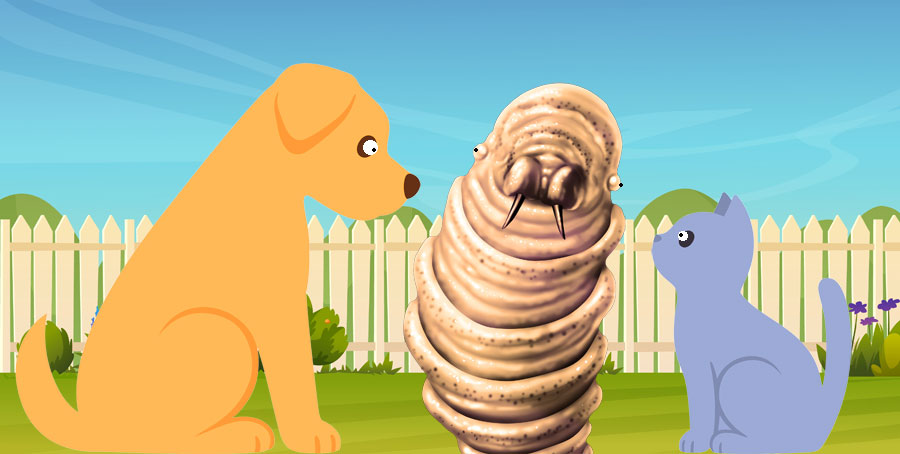
Screwworm is a flesh-eating parasitic maggot that can attack animals and, rarely, humans.
It is the larval maggot stage of a parasitic fly called the New World screwworm (scientific name: Cochliomyia hominivorax). Unlike other ordinary maggots that feed off dead tissue, screwworm larvae feed off living flesh, making it a serious agricultural and veterinary concern.
The U.S. eradicated screwworm in 1966 by releasing sterile male flies. Since female screwworms only mate once, mating with a sterile male produced no offspring. The species still exists in parts of South America but has been controlled with surveillance and sterile fly programs.
Recently, an outbreak has spread through Central America and Mexico, and several animal cases have been confirmed in Texas and New Mexico. No human cases have been reported.
How Does Screwworm Spread?
Screwworm is spread when an adult female fly lays eggs in an open wound or body opening such as the nose, ears, eyes, or mouth. The eggs then hatch into larvae, also known as maggots, which burrow into living tissue to feed. This can create a large and severe wound. If left untreated, it can cause serious injury, infection, and, in worst cases, death.
Cattle, sheep, goats, horses, and other livestock are the main animals affected. However, the larvae can also affect wildlife, pets such as dogs, and, in very rare cases, people. Although human infections are not common, there are higher risks for people who have open wounds and live in areas where screwworm flies are present.
What Are Symptoms/Signs in Pets?
Symptoms can include wounds that suddenly get larger and don’t heal, sensitivity around a wound/injury, swelling/redness/tenderness, bloody, malodorous discharge, visible maggots in a wound, excessive licking, scratching, or rubbing a wound, etc.
If left untreated, the infection can lead to lethargy, loss of appetite, or fever. The situation can become serious quickly because, as the larvae grow, they can destroy healthy tissue, creating deep pockets in the skin that can cause severe infection. In severe cases, the problem can quickly progress to shock or death over a few days if untreated.
What Does This Mean for Pet Parents?
If you see maggots in a wound on your pet and live in or have recently traveled through an affected area, seek veterinary care immediately. Prevent your pet from licking or scratching the wound, and do not attempt to treat at home.
Dogs with open wounds that travel through affected regions are at higher risk. For most dog owners in the United States, screwworm remains rare. However, veterinarians and animal health officials are especially alert because of recent detections in livestock and wildlife in the Southwest.
If you are concerned about a specific wound on your dog, please reach out to your veterinarian.
—Angélica Calderón, DVM
Qué es el Gusano Barrenador, por qué es Importante y Debería Preocuparme?
El gusano barrenador es una larva parásita que se alimenta de carne viva y puede afectar a animales, y en raras ocasiones a seres humanos. Se trata de la fase larvaria de una mosca parásita conocida como gusano barrenador del Nuevo Mundo (nombre científico: Cochliomyia hominivorax). La diferencia de otras larvas comunes que se alimentan de piel muerta es que las larvas del gusano barrenador consumen carne viva, lo que representa un grave problema para la agricultura y la medicina veterinaria.
Estados Unidos erradicó el gusano barrenador en 1966 mediante la liberación de moscas macho estériles. Dado que las hembras solo se aparean una vez, el apareamiento con un macho estéril no produce descendencia. La especie aún persiste en algunas zonas de Sudamérica, pero se ha logrado controlar gracias a programas de vigilancia y liberación de moscas estériles.
Recientemente, se ha propagado un brote por Centroamérica y México, y se han confirmado varios casos en animales en Texas y Nuevo México. No se han registrado casos en humanos.
Cómo se Propaga el Gusano Barrenador?
El gusano barrenador se propaga cuando una mosca hembra adulta deposita huevos en una herida abierta o en una abertura corporal, como la nariz, los oídos, los ojos o la boca. Posteriormente, los huevos eclosionan y dan lugar a larvas conocidas comúnmente como gusanos, las cuales penetran la piel viva para alimentarse. Esto puede generar una herida extensa y grave. Si no se trata, puede provocar lesiones serias, infecciones y, en los casos más graves, la muerte.
El ganado vacuno, ovino, caprino y equino, así como otros animales de granja, son los principales afectados; sin embargo, la plaga también puede afectar a mascotas como los perros, a la fauna silvestre y, en casos muy poco frecuentes, a los seres humanos. Aunque las infecciones en humanos no son habituales, existe un mayor riesgo para aquellas personas que presentan heridas abiertas y se encuentran en zonas donde está presente la mosca del gusano barrenador.
Cuáles Son los Síntomas en las Mascotas?
Los síntomas pueden incluir heridas que aumentan de tamaño repentinamente y no cicatrizan, sensibilidad alrededor de la herida o lesión, hinchazón, enrojecimiento o dolor, secreción sanguinolenta y maloliente, presencia visible de larvas en la herida, así como lamido, rascado o frotamiento excesivo de la zona afectada, entre otros. Si no se trata, esto puede provocar letargo, pérdida de apetito o fiebre. La situación puede agravarse rápidamente, ya que a medida que las larvas crecen, destruyen el tejido sano y crean cavidades profundas en la piel que pueden derivar en infecciones graves. En casos extremos, la falta de tratamiento puede conducir a un estado de shock o a la muerte, progresando con rapidez en cuestión de pocos días.
Qué Significa Esto para los Dueños de Mascotas?
Si observa larvas en una herida y vive en una zona afectada o ha viajado recientemente por ella, busque atención veterinaria de inmediato. Evite que su mascota se lama o se rasque la herida y no intente tratarla en casa. Los perros con heridas abiertas que viajan por regiones afectadas corren un mayor riesgo. Para la mayoría de los dueños de perros en Estados Unidos, el gusano barrenador sigue siendo poco frecuente, sin embargo los veterinarios y las autoridades de sanidad animal se mantienen especialmente alerta debido a detecciones recientes en ganado y fauna silvestre en el suroeste del país.
Si le preocupa alguna herida específica en su perro, por favor consulte a veterinario.
—Angélica Calderón, DVM
Sources of Information/Fuentes de Información
https://www.cdc.gov/new-world-screwworm/about/index.html
https://www.aphis.usda.gov/livestock-poultry-disease/cattle/ticks/screwworm
https://www.avma.org/news/additional-screwworm-cases-confirmed-texas-livestock-new-mexico-dog
Holiday Pet Hazards: Keeping Your Pets Safe This Season
The holiday season is a time for joy, family, and celebration, but for our pets, it can also be full of hidden dangers. Between festive foods, decorations, and guests coming and going, there are plenty of potential hazards that could put your pets at risk.
Here’s what every pet parent should watch out for to ensure a safe and happy holiday for everyone.
1. Toxic Treats and Dangerous Foods
While it’s tempting to share a little holiday feast with your pet, many traditional foods can be harmful, and in some cases, deadly.
- Chocolate: A classic danger for dogs and cats, especially dark chocolate and baking cocoa.
- Xylitol: Found in sugar-free gum, candies, and some baked goods; it can cause low blood sugar and liver failure in dogs.
- Grapes and Raisins: Common in fruitcakes and cookies, these can cause kidney failure.
- Onions and Garlic: Present in stuffing and gravy, they can damage red blood cells.
- Alcohol: Even small amounts can cause serious health problems.
Tip: Keep food out of reach and remind guests not to feed your pets under the table!
2. Hazardous Holiday Decorations
Decorations add sparkle to your home, but they can be irresistible and risky for curious pets.
- Tinsel and Ribbon: Cats love to bat and chew these, but swallowing them can cause life-threatening intestinal blockages.
- Ornaments: Shiny and tempting, but broken glass or swallowed pieces can injure your pet.
- Christmas Trees: Pine needles can irritate mouths and stomachs; unsecure trees may be tipped over.
- Candles: Keep them out of tail range to prevent burns or fires.
Tip: Opt for pet-safe ornaments and secure your tree to prevent tipping.
3. Plants That Can Poison Pets
Many festive plants are surprisingly toxic to animals.
- Poinsettias: Mildly toxic, causing drooling or stomach upset.
- Mistletoe and Holly: Can cause vomiting, diarrhea, and even cardiovascular issues.
- Lilies: Extremely toxic to cats; even a small nibble can lead to kidney failure.
Tip: Choose pet-friendly silk or artificial plants if you can’t resist the holiday greenery.
4. Cold Weather Concerns
As temperatures drop, our pets face new seasonal risks.

Frostbite and Hypothermia
- Know the signs: Shivering, weakness, and pale or gray skin are warning signs of cold exposure.
- Limit outdoor time: Keep walks shorter during freezing temperatures and avoid prolonged exposure to snow or ice.
- Bundle up: Small breeds, short-haired dogs, and elderly pets may benefit from sweaters or insulated coats.
Cold-Weather Chemicals
Winter brings several products that can be harmful if ingested or absorbed through the paws.
- De-icing salts: Common on sidewalks and driveways, these can cause chemical burns, cracked pads, and stomach upset if licked.
- Ice melt products: Some contain calcium chloride or magnesium chloride, which can irritate skin and paws. Look for pet-safe or “paw-friendly” versions labeled as salt-free.
- Cleaning and snow removal sprays: Certain garage or driveway sprays used for ice prevention may leave harmful residues.
Tips for Protection
- Wipe your pet’s paws and belly with a clean, damp cloth or unscented baby wipes after walks.
- Consider using booties or paw balm to create a protective barrier.
- Designate a pet-safe path or potty area clear of salt and chemical treatments.
Warmth and Comfort Indoors
- Create cozy resting spots: Provide a soft bed away from drafts, cold floors, and space heaters.
- Be cautious with heaters and fireplaces: Pets can burn themselves or knock them over; use guards or barriers for safety.
- Monitor outdoor pets: Bring them indoors whenever possible. If they must stay outside, ensure they have insulated shelter, unfrozen water, and warm bedding.
5. Guests, Noise, and Travel Stress
The hustle and bustle of the holidays can be overwhelming for even the most social pets. Loud music, visitors, and travel can trigger anxiety, especially for pets sensitive to change.
Managing Guests and Parties
- Set boundaries: Create a quiet, pet-only room or area where your pet can retreat during gatherings.
- Keep routines consistent: Feed, walk, and play at your pet’s regular times to reduce stress.
- Watch the doors: With guests coming and going, pets can slip out easily. Consider using baby gates or leashes to prevent escapes.
- Communicate with visitors: Let guests know your house rules such as no feeding table scraps, no letting the cat outside, etc.
Handling Loud Noises and Excitement
- Provide a safe space: Use a crate, cozy corner, or separate room with soft bedding, toys, and background noise (like calm music or a white noise machine).
- Use calming aids: Consider vet-approved pheromone diffusers, anxiety wraps, or natural calming treats. In some cases, anti-anxiety medications may be needed.
Traveling With Pets
- Plan ahead: Make sure your pet is microchipped, has the appropriate vaccinations and has updated ID tags. Always check whether your travel destination or airline requires paperwork for your pet to travel. If so, schedule an appointment within the appropriate time frame and do not wait until the last minute.
- Bring familiar comforts: Pack their favorite blanket, toy, and regular food to ease anxiety.
- Check accommodations: If staying overnight, confirm pet policies and nearby emergency vet locations.
- Secure your pet for car transit: Use a crash-tested carrier or seat belt harness in the car; never let your pet roam freely.
- For long trips: Schedule breaks for water, exercise, and bathroom time.
The best gift you can give your pet this holiday season is safety and peace of mind. By being aware of these common hazards and taking a few preventive steps, you can keep the festivities merry, bright, and pet-friendly.
– Dr. Jeanette Barragan