Specialized Care for Senior Pets
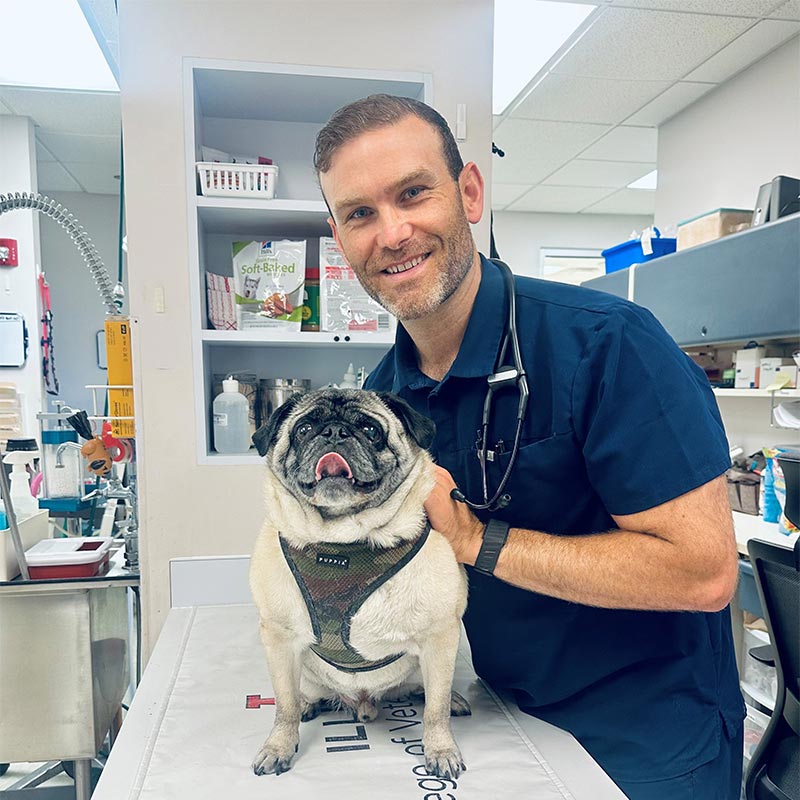
As our pets age, it’s important to make sure they receive the specialized care they deserve. At Medical District Veterinary Clinic, we work with pet owners to create personalized health plans for their aging pets. Consistent geriatric care helps your furry friend stay healthy as they get older.
Aging pets can experience a variety of orthopedic, neurological, endocrine/chemical, and general systemic illnesses that are sometimes mistaken for classic signs of "just slowing down." However, pets age differently from humans, and a routine veterinary exam can differentiate between normal aging and serious medical problems.
Medical District Veterinary Clinic offers specialized wellness and preventive care for senior pets, as well as in-house bloodwork testing and advanced diagnostic imaging. Older pets may also benefit from laser therapy for arthritis pain and other issues and from the boarded veterinary specialists from the University of Illinois College of Veterinary Medicine who provide services at our clinic.
In addition, we are a Cat Friendly Practice®, which means our team offers personalized care to all our senior feline patients.
Changes in Aging Pets
As your furry friend gets older, there are certain things to look for which may indicate your pet needs extra veterinary care. Signs include:
- Changes in eating or drinking habits
- Mobility or flexibility issues
- Behavioral changes (e.g., increased irritability, changes in sleep routine)
- Bad breath or oral hygiene problems
- Urination and hygiene issues
- Vision loss
- Lack of interest in play or exercise
- Increase in repetitive behaviors
To learn more about our geriatric care services, please call us at 312-226-2588 or contact us for an appointment.