Why Tooth Extractions May Be Necessary for Your Pet
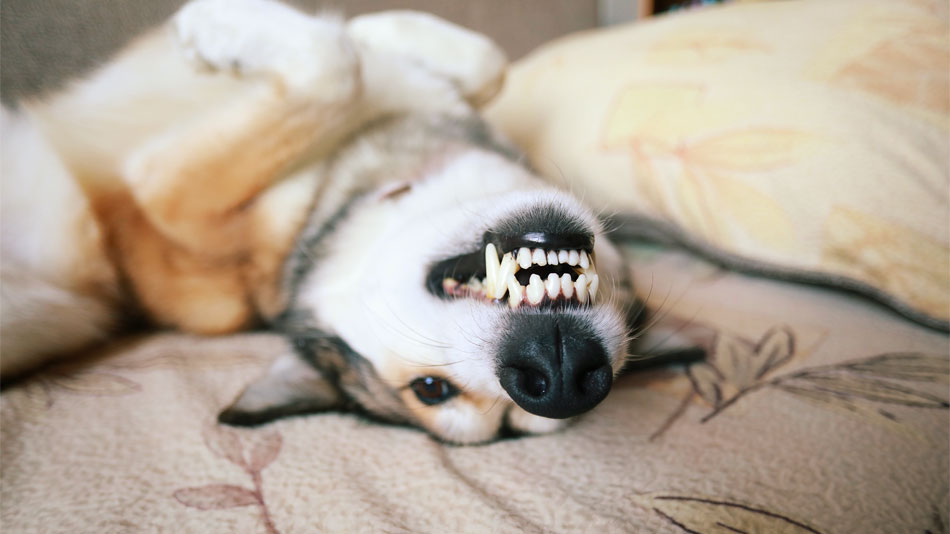
When we think about our pets’ health, dental care is often overlooked. However, it plays a critical role in their overall well-being. While the idea of a tooth extraction can sound alarming, it’s sometimes the best and most compassionate option to relieve pain and protect your pet’s health.
Why Would a Tooth Need to Be Extracted?
Veterinarians always aim to preserve teeth whenever possible. However, when a tooth becomes severely damaged or diseased, extraction may be the most effective way to restore comfort and prevent further complications.
Removing a diseased tooth provides several important benefits:
- Eliminates chronic pain that pets often silently endure
- Stops active infections in the mouth
- Prevents harmful bacteria from spreading through the bloodstream to vital organs such as the heart, liver, and kidneys
Left untreated, dental disease can impact far more than just your pet’s mouth; it can affect their entire body.
Common Reasons for Tooth Extractions
There are several conditions that may make extraction necessary:
Severe Periodontal Disease (Bone Loss)
This is one of the most common causes of tooth loss in pets. Periodontal disease occurs when plaque and tartar build up, leading to infection and inflammation of the tissues that support the teeth. Over time, this can destroy the bone holding the tooth in place. When significant bone loss occurs, the tooth becomes unstable and painful, making extraction the best option.
Fractured Teeth with Exposed Pulp
Broken teeth are not just cosmetic issues; they can be extremely painful. When the pulp (the inner part of the tooth containing nerves and blood vessels) is exposed, it leaves the tooth vulnerable to infection. In many cases, extraction is necessary to relieve pain and prevent abscess formation.
Retained Baby Teeth
Sometimes, baby teeth don’t fall out as they should and remain in place alongside adult teeth. These retained teeth can trap food and bacteria, increasing the risk of periodontal disease and misalignment. Removing them early helps maintain proper oral health.
Feline Tooth Resorption
Cats are especially prone to a condition called tooth resorption, where the tooth structure begins to break down from within. This process is painful and progressive, often requiring extraction of the affected teeth to provide relief.
Pets Often Hide Dental Pain
One of the most challenging aspects of dental disease is that pets are very good at hiding pain. Many animals will continue to eat normally even when they have significant oral discomfort. You may not notice any changes in eating habits, which can make dental issues easy to miss.
Subtle signs can include:
- Drooling
- Bad breath
- Pawing at the mouth
- Behavioral changes
However, in many cases, there are no obvious signs at all.This makes regular veterinary exams essential.
How Veterinarians Decide Which Teeth Need Extraction
Determining whether a tooth should be extracted involves a thorough and careful process. During a dental procedure, your veterinarian will:
- Perform a comprehensive oral exam while the pet is under anesthesia
- Use a dental probe to assess gum health and attachment
- Take full-mouth dental X-rays to evaluate the roots and surrounding bone
Dental X-rays are especially important because much of the disease occurs below the gumline, where it cannot be seen with the naked eye. This allows veterinarians to make informed decisions about which teeth can be saved and which are causing pain or infection.
Preventing the Need for Extractions
While some dental issues are unavoidable, many extractions can be prevented with proactive care. Consistent dental care at home is one of the most effective ways to protect your pet’s teeth and gums.
Tooth Brushing Tips
Brushing your pet’s teeth is the gold standard for preventing plaque and tartar buildup. Here’s how to make it easier:
- Start slowly and be patient: Let your pet get used to having their mouth handled before introducing a toothbrush
- Use pet-safe toothpaste: Never use human toothpaste. Pet toothpaste is flavored and safe to swallow
- Choose the right tools: A soft-bristled toothbrush or finger brush designed for pets works best
- Focus on the outer surfaces when first starting: Most plaque accumulates on the outside of the teeth, especially along the gumline. Once your pet is used to having their teeth brushed, you can add in the inner surfaces
- Use gentle, circular motions: You don’t need to scrub hard as gentle brushing is still effective
- Keep sessions short and positive: You can separate your pet’s mouth into four quadrants and reward your pet with their favorite treat after each quadrant is brushed to build a positive association. Aim to brush each quadrant for 30 seconds
- Aim for daily brushing: Consistency matters more than perfection
Additional At-Home Support
- Veterinary-approved dental chews or diets can help reduce plaque
- VOHC approved dental rinses or water additives may also be helpful
- Regularly checking your pet’s mouth for redness, odor, or buildup can help catch problems early
Routine COHATs (Comprehensive Oral Health Assessments and Treatments)
Professional dental cleanings, also known as COHATs, are a cornerstone of your pet’s oral health care. These procedures allow veterinarians to fully assess and treat dental disease in a safe, thorough, and effective way.
A COHAT includes:
- A complete oral examination
- Scaling and polishing of teeth (both above and below the gumline)
- Full-mouth dental X-rays
- Treatment of any identified dental issues
COHATs are best performed under anesthesia. Anesthesia ensures your pet remains still and comfortable, allowing the veterinary team to clean beneath the gumline where the most harmful bacteria reside and to take accurate dental X-rays. Intubation also protects your pet’s airway from water and debris during the procedure.
It’s important to note that anesthesia-free dental cleanings are not recommended. While they may appear less invasive, they only address the visible surfaces of the teeth and do not treat disease below the gumline. Additionally, these procedures typically do not include polishing, which is a critical step after scaling. Without polishing, microscopic defects and rough areas are left on the tooth surface, creating an ideal environment for bacteria to adhere and multiply more quickly. This can accelerate plaque and tartar buildup. Attempting to clean teeth on an awake pet can also lead to stress, incomplete care, and even damage to the teeth or surrounding tissues.
Routine COHATs, combined with at-home dental care, are the most effective way to prevent dental disease and reduce the likelihood of needing extractions in the future.
The Bottom Line
Tooth extractions are never the first choice, but when they are needed, they can dramatically improve your pet’s comfort and quality of life. By addressing dental disease early and maintaining consistent oral care, you can help keep your pet healthy, happy, and pain-free for years to come.
– Dr. Jeanette Barragan